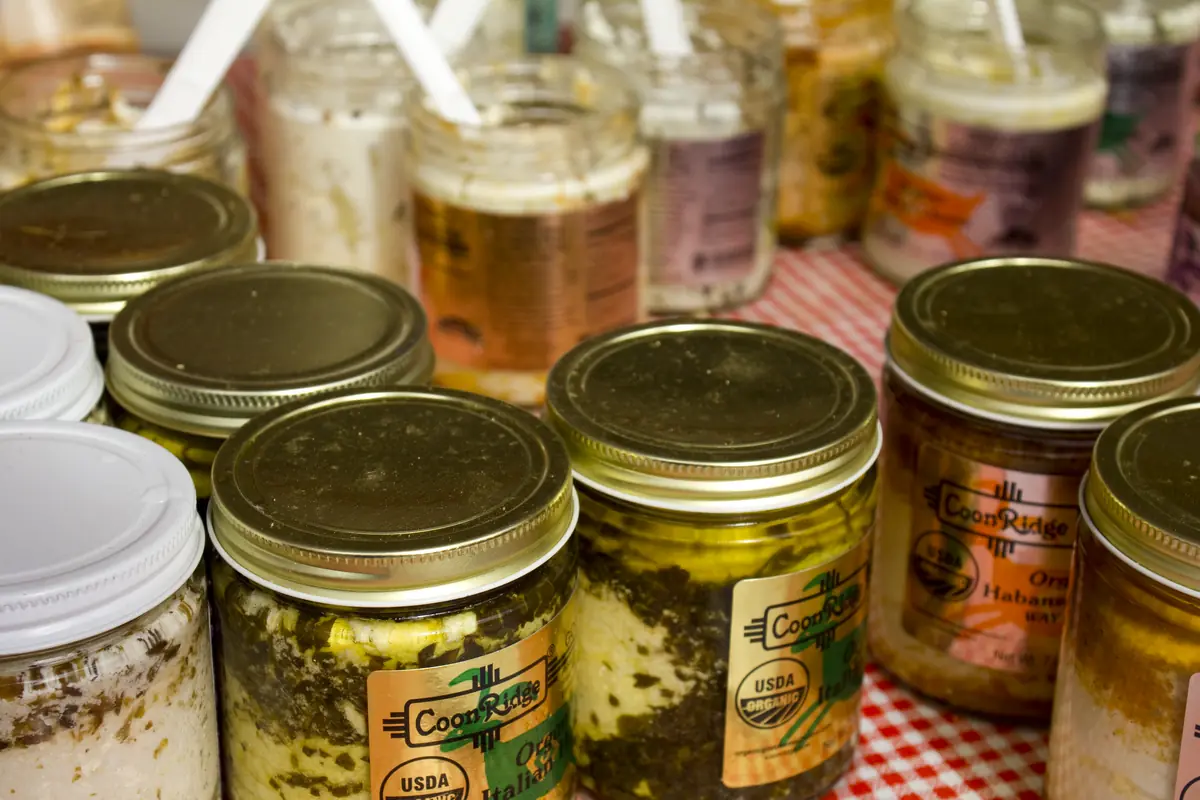
Artisan Goat Cheeses & Aged Semi-Soft Wheels
The lactic richness and tangy paste of artisanal goat milk merge beautifully with Trepat's crisp effervescence. Wild thyme notes echo mountain grazing herbs.
- Trepat style
- Trepat Sparkling Brut Nature or Gastronomic Rosé
- Temperature
- 9 - 11 °C
A bloomy goat cheese is lactic, salty and a little sharp. Garrotxa, pressed, with a grey rind, is drier and more herbal. Both carry milk fat. A red with new oak covers them. What the plate needs is acidity and, if the cheese is young, a bead that cleans.
Trepat rosé is light, fresh and fruity, with strawberry, citrus and flower, and an acidity the variety keeps because it ripens late. The body is fine. Tannin, almost absent in a rosé, does not fight the lactic note. Red fruit follows the sweetness of the milk without turning the plate into pudding. Herbal notes — thyme, rosemary — meet the herb in a shepherd's cheese. A Trepat sparkling wine, without naming a house or a method, does the same job with the bead: it cuts the fat and leaves the mouth clean.
The style is a gastronomic rosé, at 9–11°C, or a brut nature sparkling, colder, at 6–8°C. Drier Garrotxa also accepts a cool young red, around 13°C, because it has a little more body than the rosé and the tannin stays fine. Do not decant the rosé or the sparkling wine: the bead and the citrus aromas leave.
Tip: a thread of rosemary honey and a few toasted walnuts. Sweet and salt meet, and the wine's acidity stops the honey from coating the mouth. A white-wine glass, not a narrow flute, if you want to smell the fruit.