Pairing with Trepat: The Ultimate Gastronomic Guide
Thanks to mouthwatering natural acidity, silky tannins, and balanced ABV, Trepat is the Mediterranean's most versatile gastronomic partner. Temperature rules, glassware, and recipe harmonies.
The dishes are set out in the account of fifteen plates, and the rosé has its own guide to colour and service.
Trepat pairs with light cooking because the wine stays fresh: high acidity, soft tannins from thin skins, red fruit and white pepper, often around 12% ABV. Rosé or a young red suits fish rice, oily fish, tomato and charcuterie. A red with a little age fits longer cooks. Serve it cool.
Frequently asked questions
What do you eat with Trepat?
Light Mediterranean food. High acidity and soft tannins suit tomato, olive oil, grilled fish, rice and charcuterie. Rosé or a young red goes with the lighter plates; a red with a little age, with longer cooks.
Does Trepat work with rice and fish?
Yes. Rosé or a young red is the usual match for soupy fish rice, shellfish, grilled oily fish and suquet. Acidity cuts the oil and the sofrito, and the red fruit meets the sweetness of the seafood. With fish rice it can be served around 11–13 °C.
Which Trepat with charcuterie?
A young red, or a red with light ageing. Soft tannins and white pepper sit with ham and cured pork without drying the mouth.
Does Trepat go with cheese?
With goat cheese and pressed wheels, the match this guide gives is a brut nature sparkling or a gastronomic rosé. A red with more ageing fits a drier cheese better.
Does Trepat work with sushi or gentle Asian cooking?
With salmon nigiri, tataki or a mildly spiced Nikkei plate, a young rosé or a brut nature sparkling works: little colour, high acidity and almost no tannin to argue with the rice and the raw fish.
Service Temperature & Glassware
Trepat Sparkling Rosé
Maximizes tiny creamy bead tension and floral strawberry brioche aromas.
Trepat Rosé (Still)
Accentuates citrus blood orange zest, wild peony, and mouthwatering salinity.
Trepat Light Red (Young)
Crucial rule: Never serve warm. At 14°C the trademark cracked white pepper shines.
Trepat Red Reserva / Old Vines
Yields a sublime tactile glide reminiscent of Chambolle-Musigny.
When should you decant Trepat wine?
Rosé and sparkling Trepats should never be decanted. For young reds, a generous Burgundy stem gives ample aeration in 5 minutes. Decanting for 20-30 minutes is reserved for old-vine barrel-aged reds.
Dishes where Trepat Shines Brightest
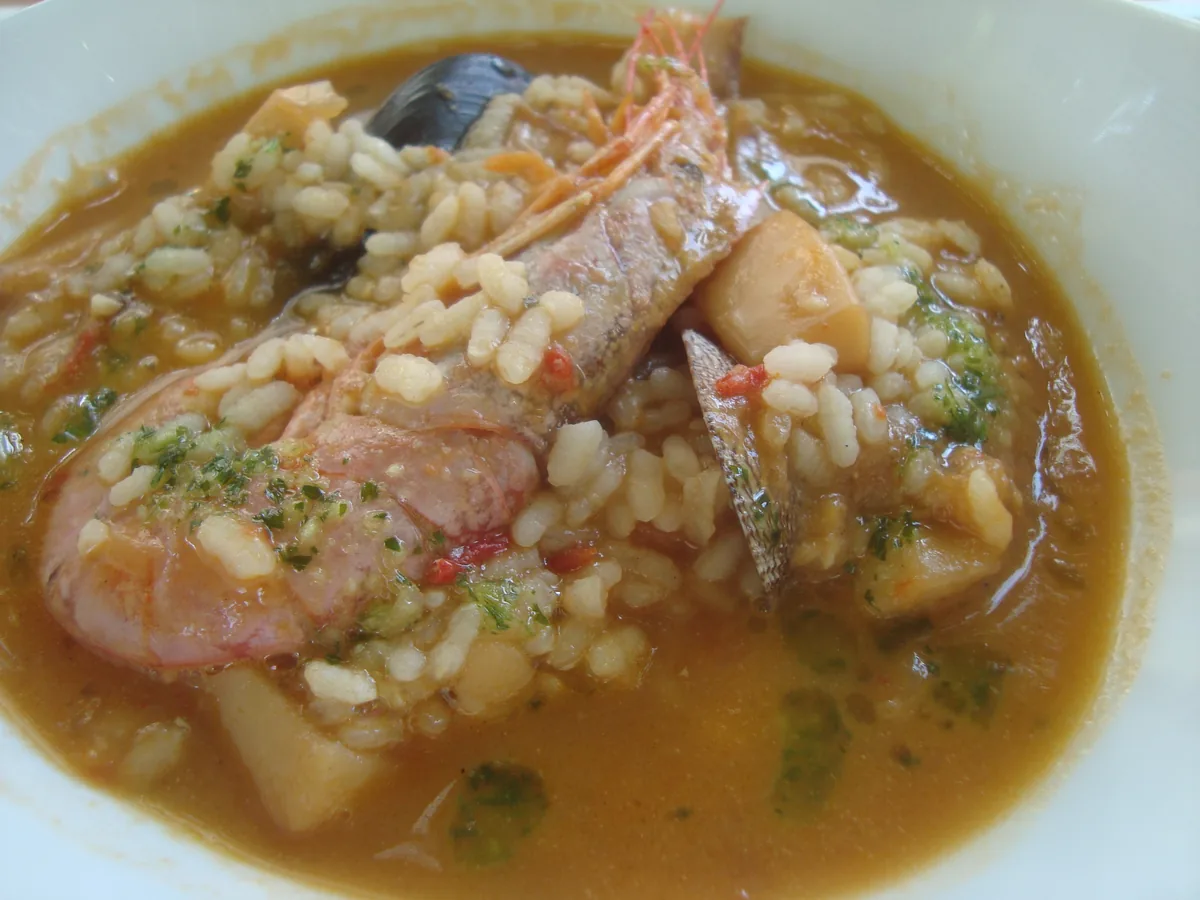
Soupy fish and shellfish rice
Trepat's natural high acidity and saline tension slice cleanly through the rich sofrito and oily fish lipids, creating an invigorating counterpoint to seafood sweetness.
"Serve at 12°C in a generous white wine or Burgundy stem to let subtle floral aromas blossom."
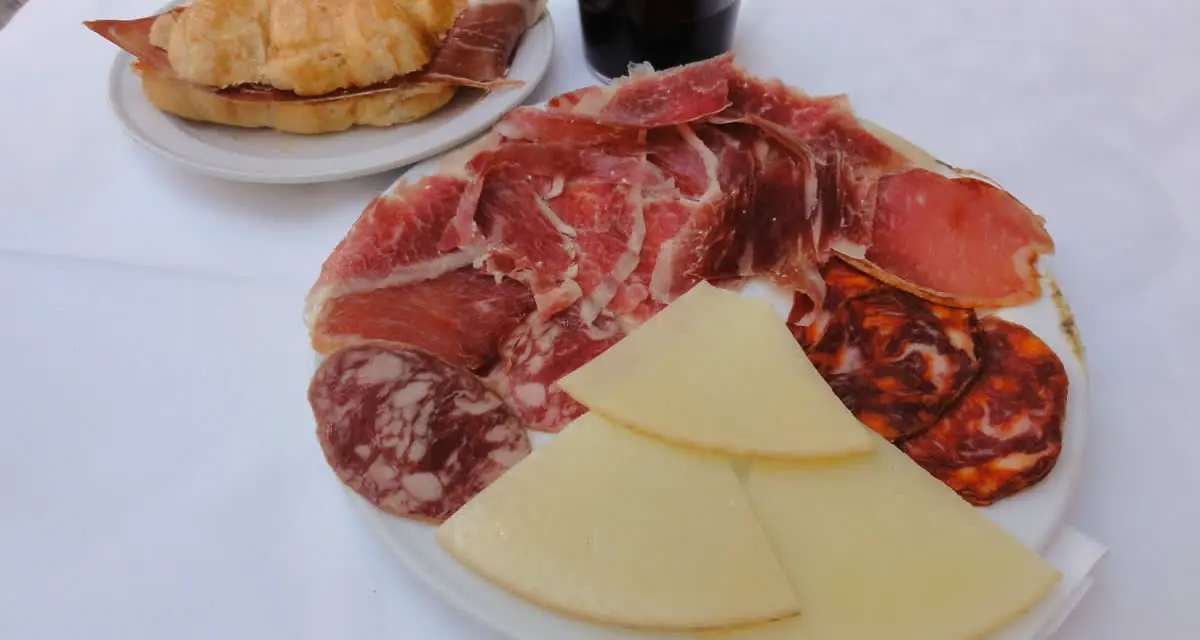
Catalan Charcuterie Board & Artisan Cured Meats
Catalan cured fuet and air-dried sausages call for a red that won't clash with black pepper spices. Trepat's velvety tannins and peppery finish harmonise seamlessly.
"Pair alongside toasted country sourdough rubbed with vine tomato and local Arbequina olive oil."
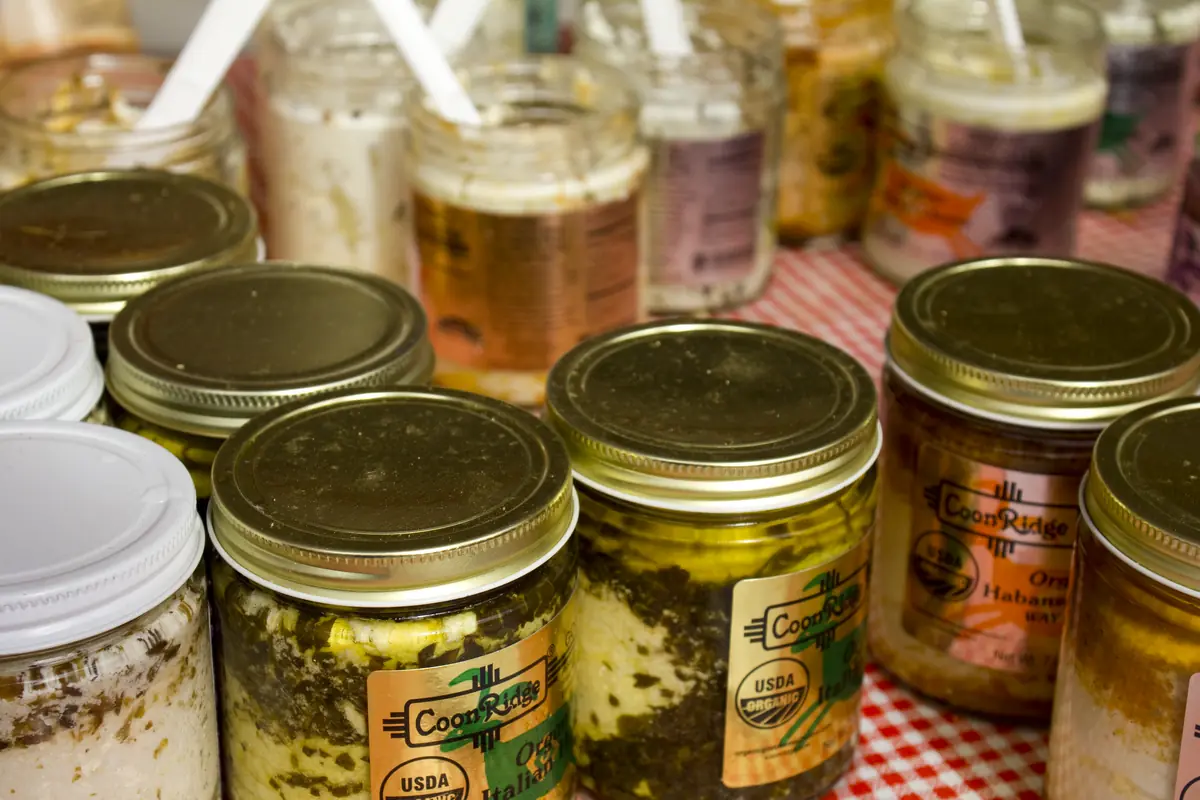
Artisan Goat Cheeses & Aged Semi-Soft Wheels
The lactic richness and tangy paste of artisanal goat milk merge beautifully with Trepat's crisp effervescence. Wild thyme notes echo mountain grazing herbs.
"Add a drizzle of wild rosemary honey and toasted local walnuts for a sublime textural contrast."
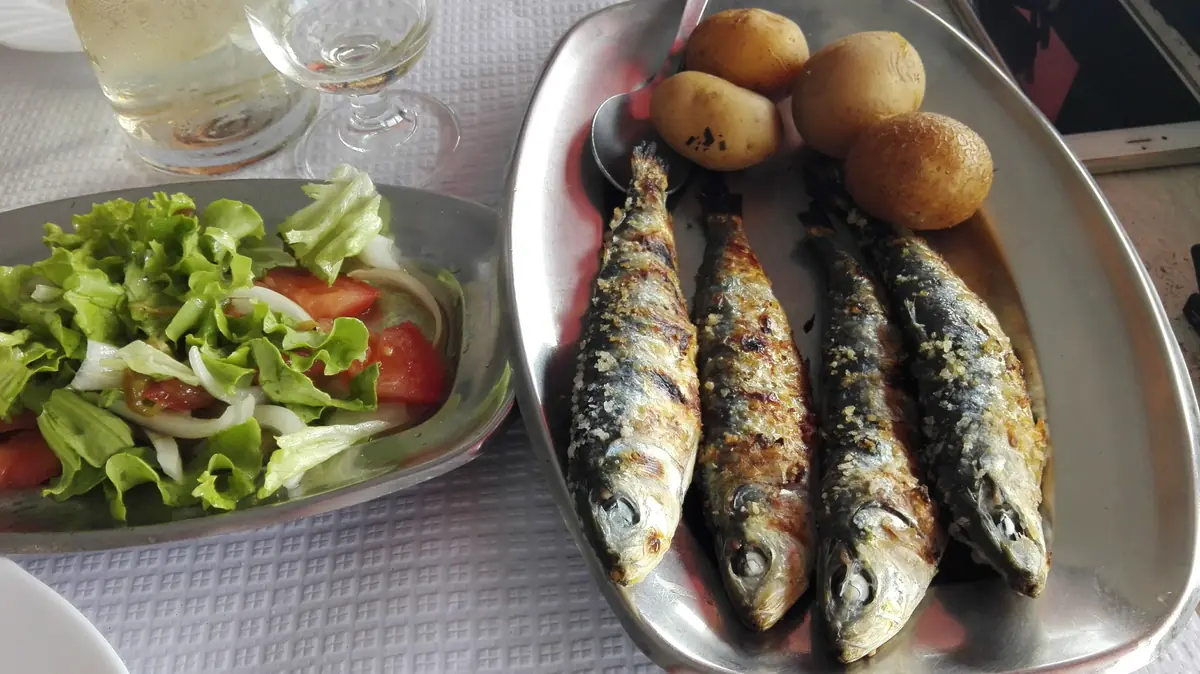
Charcoal Grilled Blue Fish or Seared Bluefin Tuna
Oily fish creates an unpleasant metallic clash when paired with high-tannin reds. Red Trepat, with silky tannins and bright acidity, holds tuna and sardines.
"Keep the bottle at a crisp 13°C to accentuate luminous wild berry vibrancy."
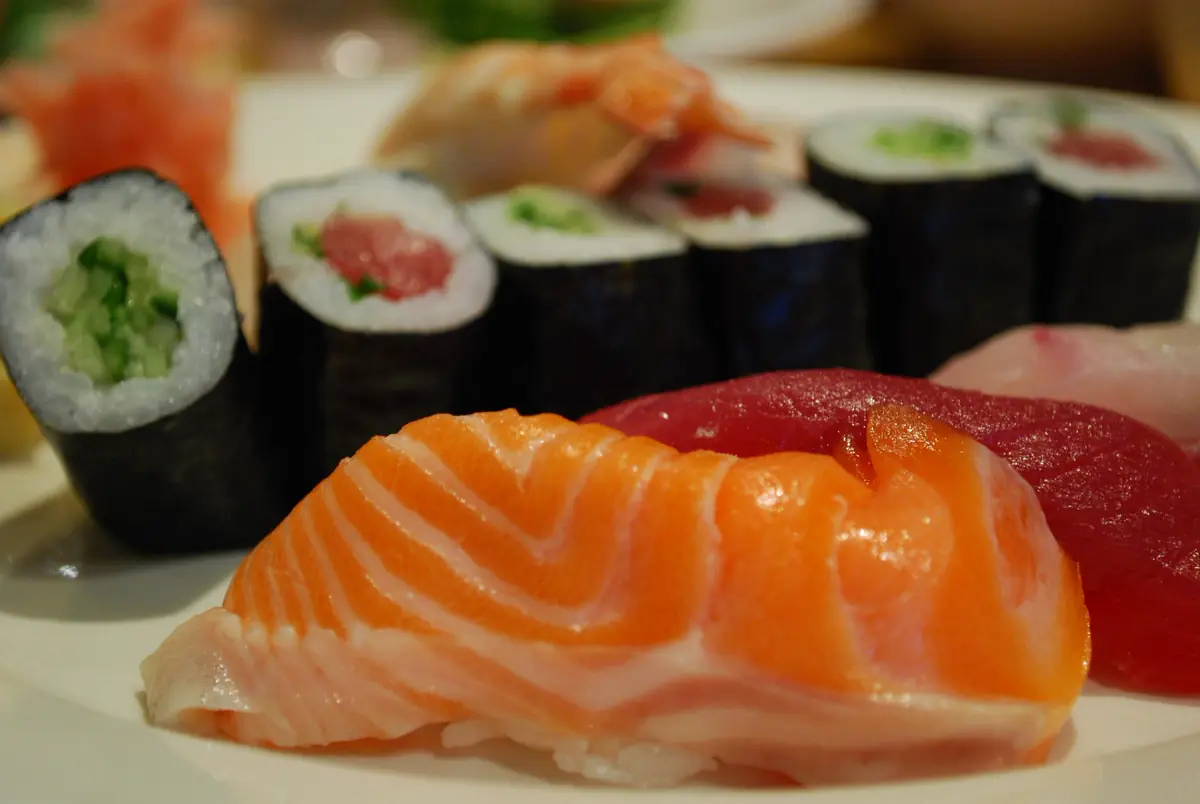
Salmon Nigiri, Seared Tataki & Delicate Asian Fusion
Pickled ginger, light umami soy, and touch of chili find an extraordinary mirror in Trepat's peppery-floral notes and refreshing palate-cleansing spine.
"A vanguard pairing celebrated across avant-garde sushi bars in Tokyo and Barcelona."
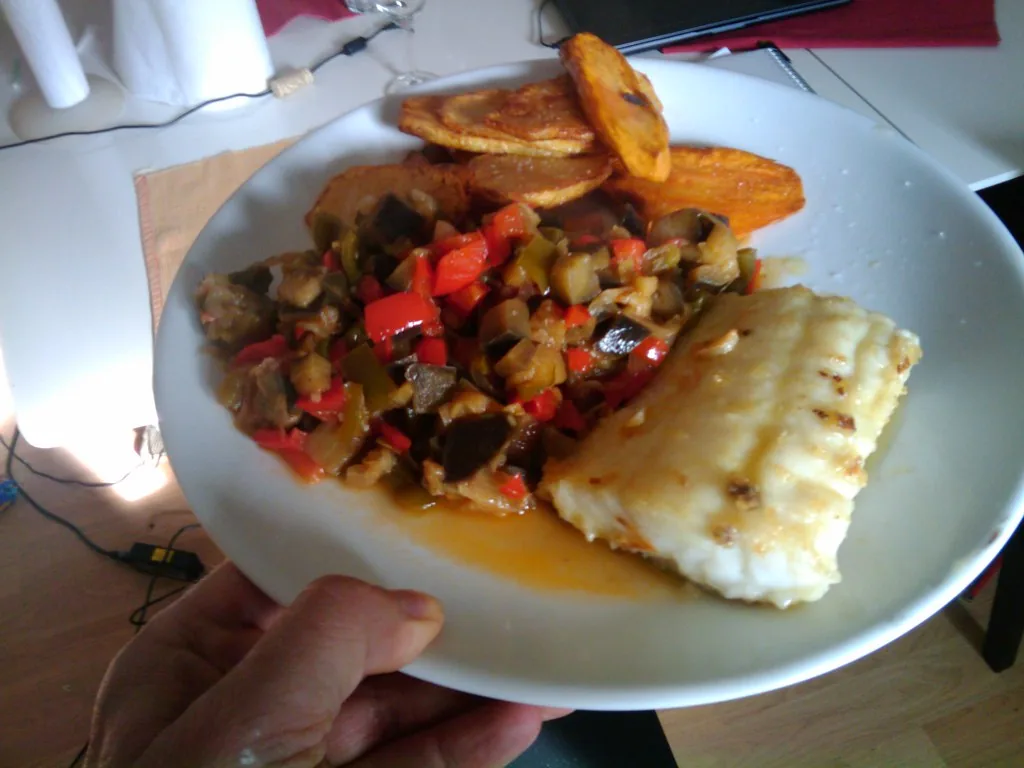
Salt cod with samfaina
Salted cod and the oil in the samfaina want acidity. A young red, light in body and fine in tannin, cuts the fat and follows the tomato without drying the fish.
"If the samfaina is light, rosé at 9–11°C also works. Do not add salt at the table: the cod already has it."
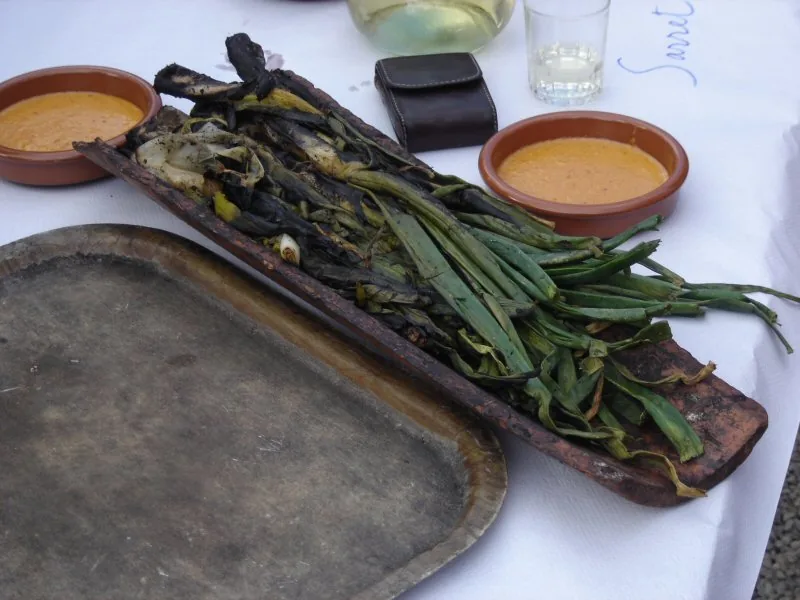
Calçots with romesco
Romesco is tomato, ñora and oil. Rosé, light and almost without tannin, does not bitter the ñora. If the grill smoke leads, a young red cuts the oil and repeats the charcoal.
"Sauce on the side. If the romesco leads, rosé at 9–11°C; if the smoke leads, a young red at 13–14°C. Wood would bitter the ñora."
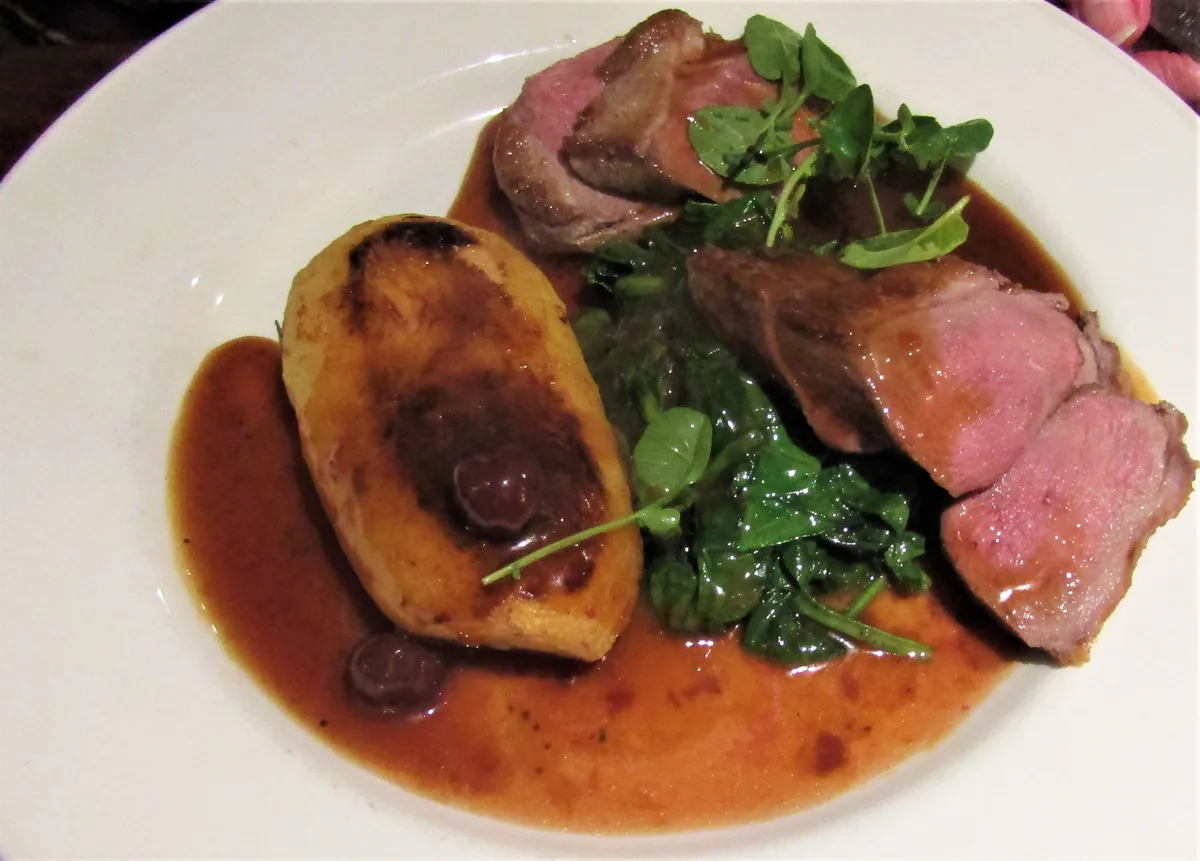
Duck breast with cherry sauce
The fat of the skin and the cooked cherry want a light red: acidity that cuts, silky tannin that does not rasp, and red fruit that speaks to the sauce without turning it into syrup.
"A young red at 14°C. If the sauce is reduced, a short ageing in used wood or a foudre, between 14 and 16°C, as long as the fruit is still visible."
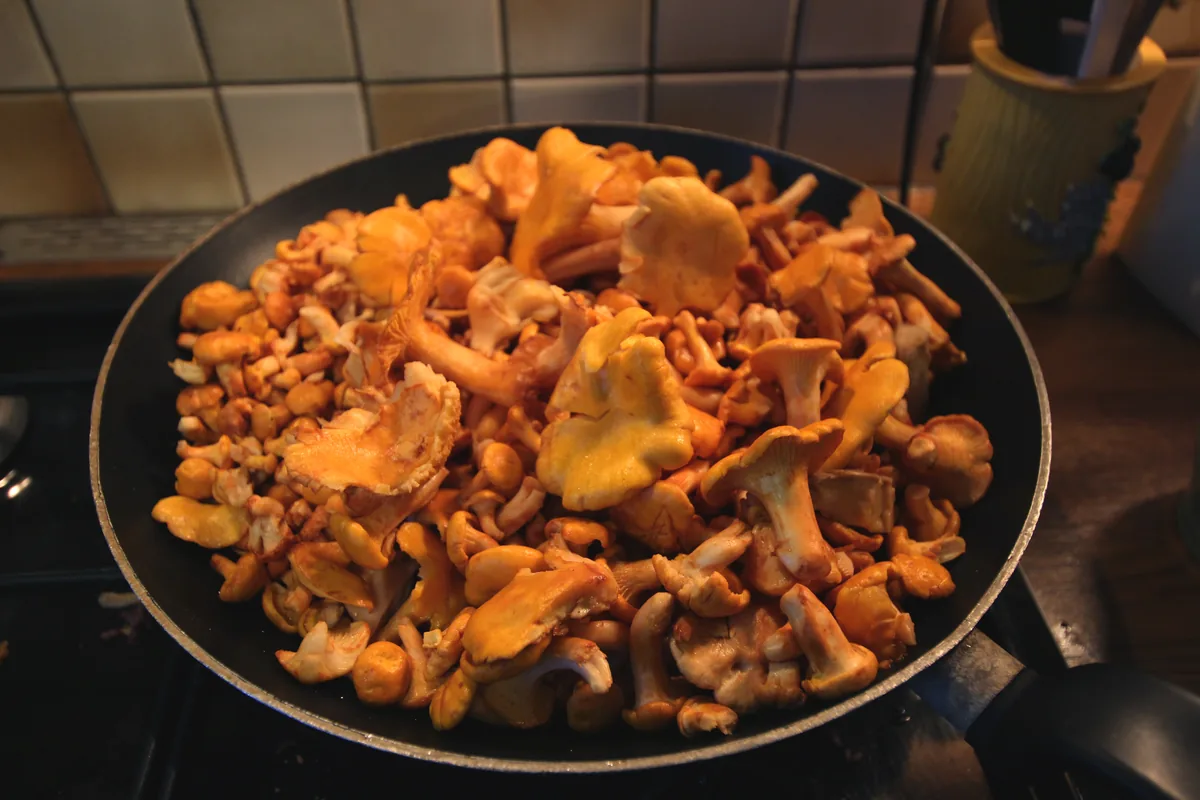
Sautéed chanterelles
A sauté of chanterelles is sweet, earthy and short on fat. The acidity of a young red lifts the butter, white pepper adds spice, and fine tannin does not bitter the mushroom.
"Serve the young red at 13–15°C. If there is cream, come down toward 13°C. This is not a dark stew: new oak is not needed."
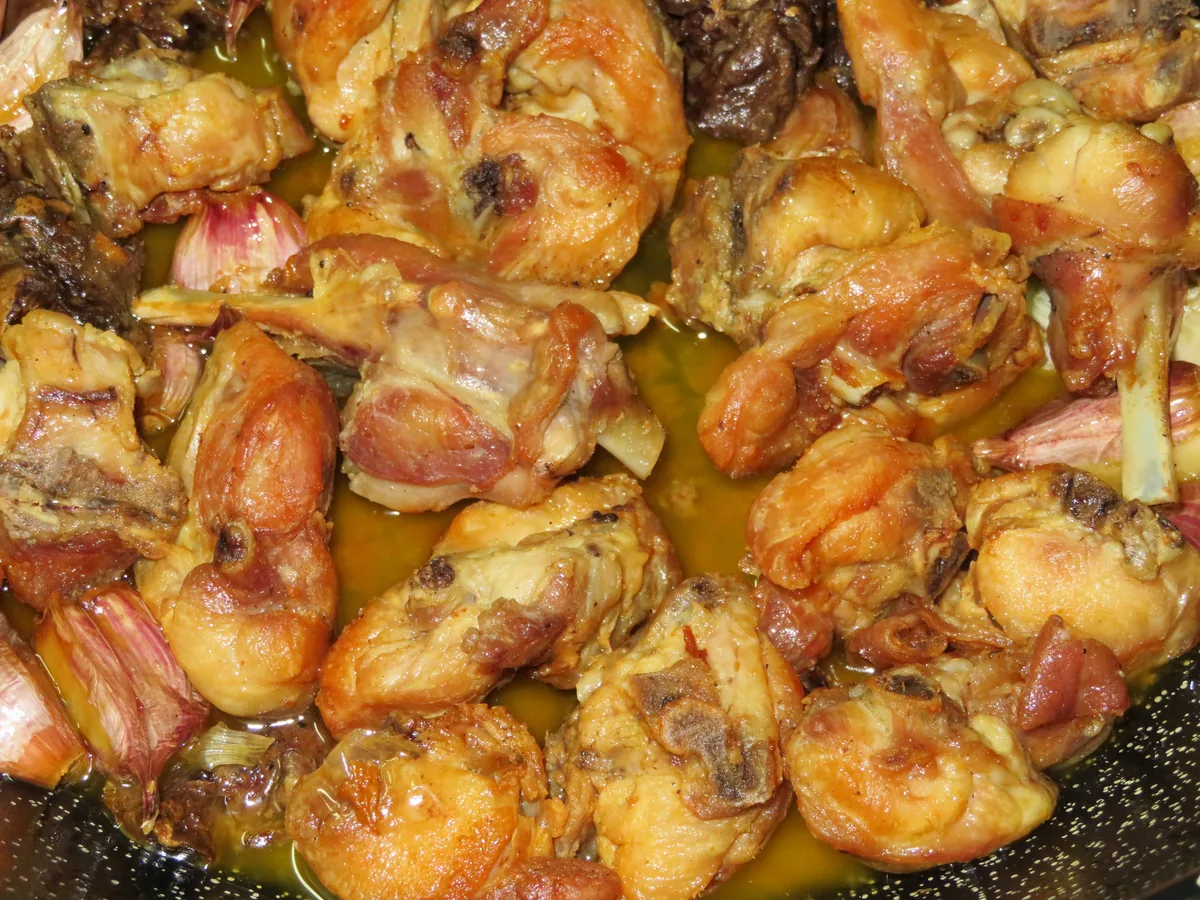
Garlic rabbit
Rabbit is lean meat, sweet garlic and bay, with oil and a clear juice. Acidity cuts the fat, silky tannin does not dry the meat, and the pepper in the wine meets the bay.
"A young red at 13–15°C. A short ageing in used wood or a foudre only if the juice is heavily reduced. This is not a civet, and there are no snails."
Photograph credits
- Soupy fish and shellfish rice: Juan Emilio Prades Bel, Wikimedia Commons, CC BY-SA 4.0.
- Catalan Charcuterie Board & Artisan Cured Meats: Kent Wang, Flickr, copy on Wikimedia Commons, CC BY-SA 2.0.
- Artisan Goat Cheeses & Aged Semi-Soft Wheels: Weldon Kennedy, Flickr, copy on Wikimedia Commons, CC BY 2.0.
- Charcoal Grilled Blue Fish or Seared Bluefin Tuna: Duarte Briz, Wikimedia Commons, CC BY-SA 4.0.
- Salmon Nigiri, Seared Tataki & Delicate Asian Fusion: Alpha, Flickr, copy on Wikimedia Commons, CC BY-SA 2.0.
- Salt cod with samfaina: daniel.julia, Flickr, CC BY-SA 2.0.
- Calçots with romesco: Txapulín, Flickr, copy on Wikimedia Commons, CC BY 2.0.
- Duck breast with cherry sauce: Kolforn, Wikimedia Commons, CC BY-SA 4.0.
- Sautéed chanterelles: Opsylac, Wikimedia Commons, CC BY-SA 4.0.
- Garlic rabbit: Juan Emilio Prades Bel, Wikimedia Commons, CC BY 4.0.
Images were resized (max 1200 px wide) and converted to WebP under the same licence. The charcuterie photograph was cropped to centre the board of ham, chorizo and salchichón.
Download the Trepat Food Pairing PDF Guide
Includes quick fridge temperature charts, artisanal Catalan cheeses, and 12 curated recipe pairings.