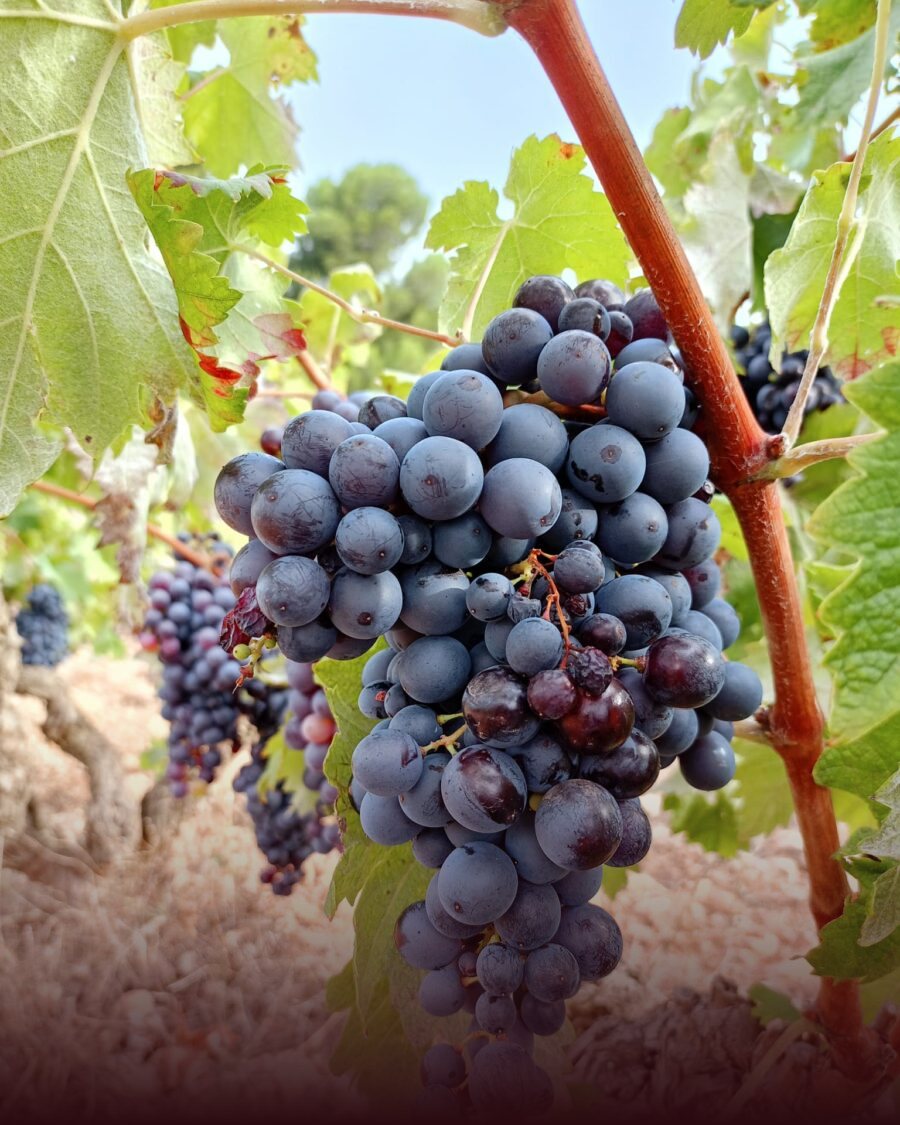
A NATIVE VARIETY
Trepat
The light red of the Conca de Barberà
A guide for wine professionals · expanded edition
WHY TREPAT
A variety that grows in just one area
Trepat is a native black grape of the Conca de Barberà. It makes light, fruity, fresh wines: exactly the style today’s palate is looking for.
95%
of Spain’s 1,265 ha of Trepat are in the Conca de Barberà.
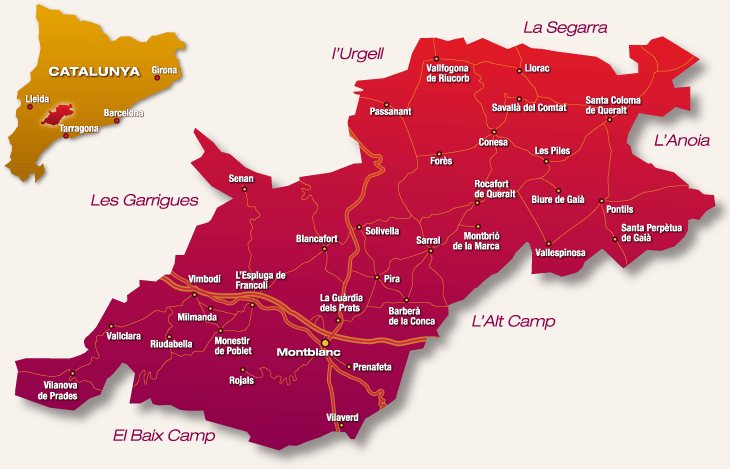
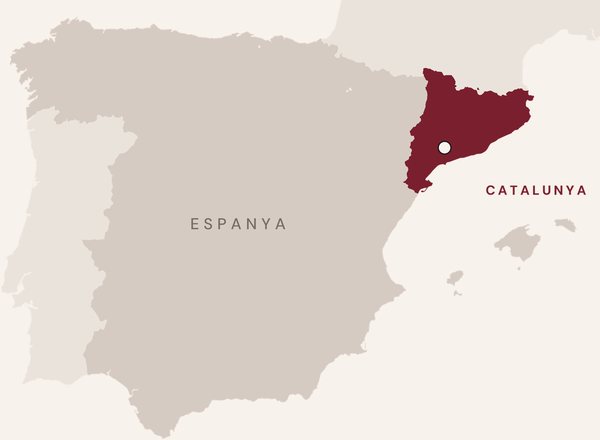
WHERE THE CONCA IS
In the pre-coastal Mediterranean
In north-eastern Spain, in inland Catalonia, between the Tarragona coast and the Lleida plains.
“The fresh red of the Mediterranean”
Pale and perfumed, with high acidity and soft tannins
12%
ABV, a light red
1987
first 100% Trepat red
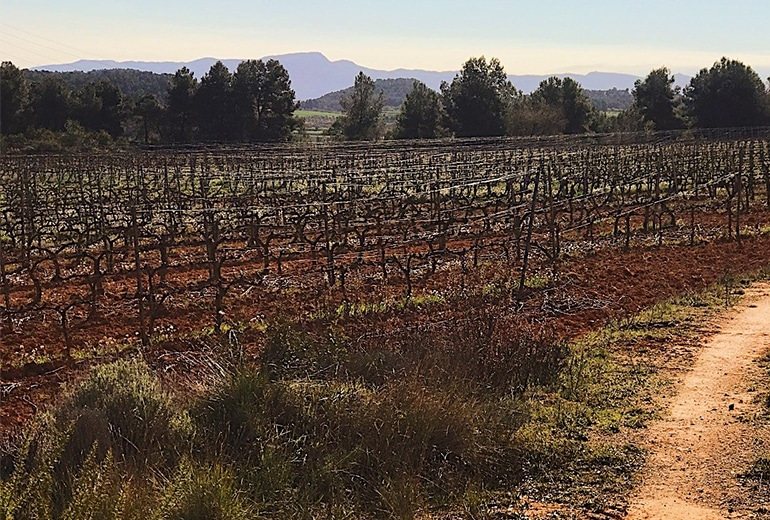
Documented in the Conca since the 17th century, Trepat was for decades the backbone of the area’s rosés and rosé Cavas. The first 100% Trepat red only arrived in 1987, and since 2004 the varietal red has made a strong comeback: today the DO certifies more of it as red than as rosé.
Large berries, thin skins. The result is bright, translucent wines with soft tannins and red fruit, often with a spicy hint of black pepper. Acidity keeps them fresh, and alcohol of around 12% ABV makes them light and very drinkable. A fresh red with a Mediterranean soul.
A TERRITORY
A corridor of cool wind
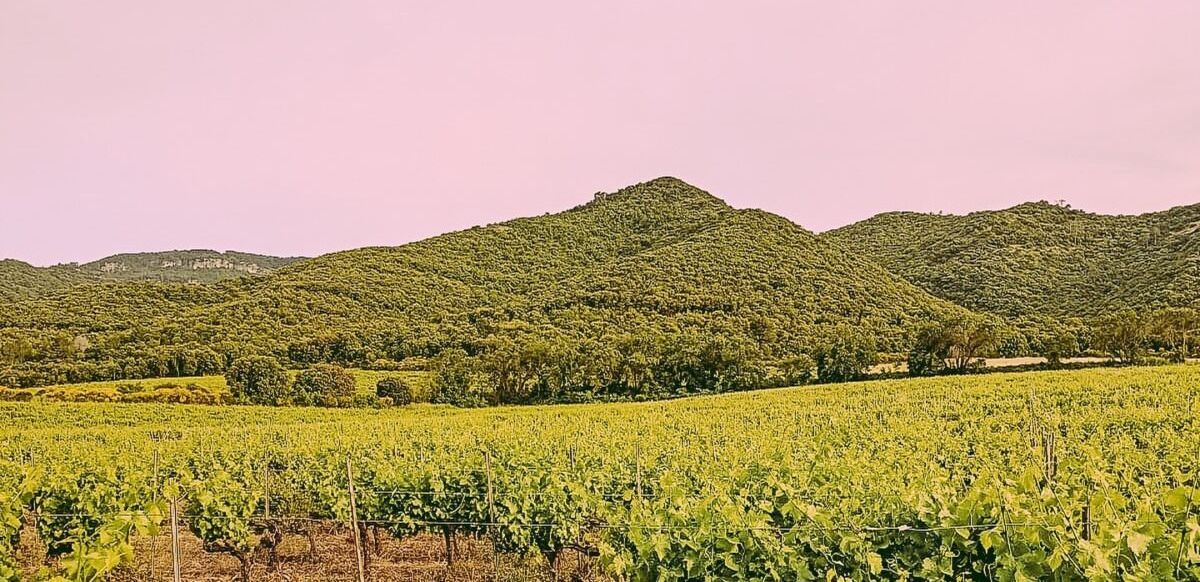
Between the Prades mountains and Poblet, the Conca is an open east–west corridor. The marinada, the cool Mediterranean breeze, blows in and opens up a wide day–night temperature range. The grapes ripen slowly, keep their acidity and aromas, and are picked in October, later than in neighbouring areas.
Vineyards between 350 and 800 metres, on calcareous conglomerates, clays and marls, with llicorella slate in the south-west, where old bush vines over sixty years old survive. Rainfall is low: 350–450 mm a year.
350–800 m
altitude
350–450 mm
of rain a year
October
harvest month
THE DO IN FIGURES
- 2,656 ha
- of vineyard in the DO, across 15 municipalities
- 760 ha
- of Trepat, almost three in ten
- 28
- wineries, mostly small
- 1 M
- bottles a year
- 15%
- exported: UK, USA, Canada and Japan
CLIMATE, SOILS AND ALTITUDE
A climate of contrasts
Mediterranean with a continental touch: hot summers, cold winters and cool nights that lengthen ripening.
Climate. Mediterranean with continental influence. Summer highs approach 35 °C and winter lows drop below zero. Rainfall is low, 350–450 mm a year; irrigation is permitted, but water is scarce.
The marinada. The cool Mediterranean breeze enters through the open east–west corridor and cools the afternoons. With cool nights, the day–night range is wide: the grapes ripen slowly and keep acidity and aromas.
Frost. Temperature inversions pool cold air in low-lying areas, where the frost risk is highest. For an early-budding variety, spring is the critical moment.
Soils. Calcareous conglomerates, clays and marls dominate, dark brown in colour. The Francolí and Anguera valleys have alluvial soils, and in the south-west llicorella slate appears, with old bush vines over sixty years old.
Its preferred soil. Loose, deep, slightly stony soils of loamy texture; cool but free-draining, with moderate lime and a pH that is not too high. In compact, calcareous or high-pH soils it tends towards iron chlorosis.
Where it is concentrated. In 2008, six municipalities (Sarral, Solivella, Barberà de la Conca, Pira, l’Espluga de Francolí and Blancafort) held 897 of the area’s 982 ha of Trepat: 91%.
CONCA TERROIR IN FIGURES
ALTITUDE
350–800 m
Vineyards up to 900 m.
RAINFALL
350–450 mm
A year. Irrigation water is scarce.
SUMMER
35 °C
Summer highs; winter lows below zero.
CLIMATE
Contrast
Wide diurnal range: the grapes ripen slowly and keep acidity and aromas.
SOILS
Limestone
Conglomerates, clays and marls; llicorella slate in the south-west.
WIND
Marinada and cerç
Cool breeze on summer afternoons, and a dry north-westerly that dries the vines and curbs fungal disease.
THE MODERN ERA
The Trepat revival
Since the DO was founded in 1989, Trepat has moved from being the base of rosés and rosé Cavas to the star of the Conca’s reds.
FROM THE DO TO THE RED
- 1989The DO Conca de Barberà is created.
- 1998Trepat is authorised for rosé Cava.
- 1999INCAVI starts clonal selection of the variety.
- 2004The firm revival of the varietal red begins.
- 2009Many wineries join in: Trepat red becomes a trend.
- TodayThe DO certifies more Trepat red than rosé.
WHAT HAS CHANGED
From rosé to red. Until 2004, Trepat stayed mainly with the co-operatives, for rosé. Then small wineries began exploring it as a red, with more care in the vineyard and micro-vinifications.
Less barrel. The first reds followed the model of the day: high ripeness and a few months in barrique. Over time it became clear that oak masks the fruit and spice; today the focus is on large vessels.
Better vineyards. Clonal selection, the move from bush vines to trellis, adjusted bud load, green harvesting and more precise ripeness control.
760 ha
of Trepat in the DO today
1,093 → 982
ha of Trepat in the county, 1992 to 2008
WHERE TO GO
- The Festa del Trepat, every July in Barberà de la Conca.
- The Festa de la Verema (harvest festival), every August in l’Espluga de Francolí
- The Ruta del Trepat (Trepat route).
- The Catedrals del Vi (wine cathedrals)
- Poblet Monastery and the Cistercian Route
THE GRAPE
Big bunches, thin skins
Vigorous and productive, Trepat buds early and ripens late. It has a long cycle, and time to develop.
10.5–12.5%
potential alcohol: a naturally light wine
5 g/L
total acidity, approximately
8,000 kg/ha
indicative yield for quality wines
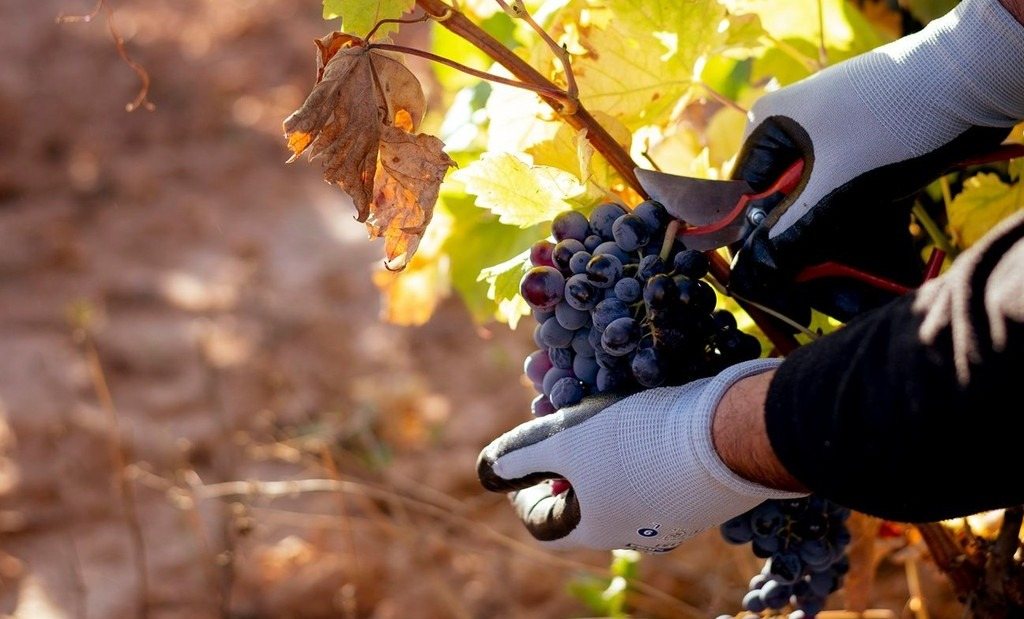
In the vineyard. Large, compact bunches of big, round, thin-skinned berries. Hence its light colour and soft tannins, the basis of a light red.
Hardy yet delicate. It withstands drought better than many non-native varieties, but its tight bunches make it susceptible to botrytis, and to powdery mildew too.
TREPAT COLOURS
- Cherry#9B1B30
- Redcurrant · glass rim#C8455A
- Deep ruby#7A2335
AMPELOGRAPHIC PROFILE
How to recognise it
Identity, morphology, cycle and weak points of Trepat, according to the technical sheets and vineyard experience.
IDENTITY
Name and colour. Trepat, a black-berried variety from the Conca de Barberà. Listed in the European variety catalogue and in the VIVC under number 12633.
Old names. Bonicaire and Parel. Documented in the Conca since the 17th century.
Kinship. Trepat Blanc is not related: despite the name, it is a different variety.
Clonal selection. INCAVI has carried out clonal selection since 1999 and studies the oenological behaviour of each clone.
MORPHOLOGY
Vine. Vigorous, upright, and prone to suckers.
Leaf. Medium to large, pentagonal, with a lyre-shaped petiolar sinus and a very long petiole; deep green, with a woolly underside.
Bunch. Large and compact: often over 450 grams.
Berry. Large and spherical, lilac-blue, with abundant bloom. Thin skin, low in anthocyanins, although the 2009 sheet describes it as medium-thick.
THE CYCLE
Budbreak
EARLY
Very early in spring, exposed to frost. The 2009 sheet rates it as medium.
Flowering
MEDIUM
According to the 2009 ampelographic sheet.
Ripening
LATE
Long cycle: time to retain acidity and aromas.
Harvest
SEPTEMBER–OCTOBER
Depending on the wine: rosés and Cava base wines from late September; reds in October.
SUSCEPTIBILITIES
Frost
HIGH
Spring frost: it buds early, but secondary shoots are usually fruitful.
Excoriose
HIGH
Highly susceptible to Phomopsis viticola.
Iron chlorosis
HIGH
In compact, calcareous or high-pH soils.
Wind
HIGH
Brittle shoots in strong wind.
Powdery mildew
MEDIUM
Needs watching when conditions favour it.
Botrytis
MEDIUM
Risk near harvest: tight bunches.
Downy mildew
LOW
Not very susceptible, but not immune.
Drought
DEBATED
Susceptible according to the 2009 sheet; resistant according to growers.
IN THE VINEYARD
Managing vigour
A generous vine that needs a firm hand: short pruning, canopy work and a picking date that decides the style of wine.
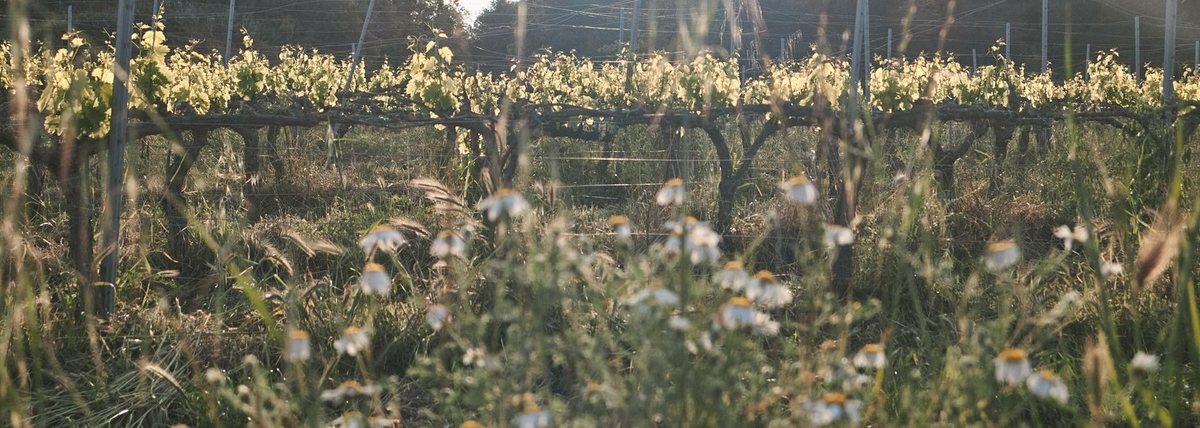
Bush vine or trellis. Both training systems give good results. In recent decades many hectares have moved from bush vines to trellis, which allows mechanisation. Old, low-yielding bush vines give the most concentrated grapes.
Pruning. It responds well to short pruning. Its vigour and tendency to throw suckers make canopy work essential: the fruit zone needs air without leaving the bunches overexposed to the sun.
Yield. The DO sets it at 8,000–12,000 kg/ha; for quality wines, the guideline is not to exceed 8,000. Narrower spacing, higher density, adjusted bud load and green harvesting have improved quality.
When to pick. For Cava base wines and rosés, a low potential alcohol of around 10–10.3% is sought; for reds, more ripeness. Waiting for maximum ripeness is risky, though: botrytis in tight bunches and loss of acidity. With insufficient ripeness or excessive yields, green notes appear.
Living soil. Organic matter (manure or compost), cover crops for as long as possible and little winter tillage: a better-structured soil copes better with extreme drought and rainfall.
A changing climate. Its long cycle and cool nights protect it. The extreme droughts of recent years have also affected it, but less than other varieties planted in the Conca.
8,000–12,000
kg/ha, usual yields according to the DO
5,639 kg/ha
average yield in Sarral, 1986–2007
9.8% vol
average potential alcohol in Sarral, 1986–2006
6.6 g/L
average total acidity in Sarral, 1993–2007
IN THE WINERY
Less oak, more Trepat
It is a delicate wine. The vessel decides whether its spice shines or is masked.
Stainless steel
FRUIT AND FRESHNESS
Preserves the fruit and lively acidity. The route to a young, pure, drinkable red.
2,500 L foudre
IDEAL
Gentle oxygenation and discreet oak: complexity without betraying the variety.
225–300 L barrique
BEST AVOIDED
Too much oxygen and too much toast. It masks the spice and can harden the wine.
Concrete and amphora
BEING EXPLORED
Promising alternatives, still at the trial stage.
“In a blend, other varieties mask Trepat.”
Only Garnacha, in a small proportion, fits in: it adds red fruit, softens the acidity and gives body without hiding the spice.
MAKING THE RED
Extract little, protect a lot
Light colour and low tannin are not flaws to correct: they are the raw material of a light red.
The raw material. Large berries, thin skins and few anthocyanins: when the grapes are crushed, the must barely colours. In INCAVI’s clonal trials, an eight-hour cold soak with enzymes extracted more colour than a standard red vinification, but not more polyphenols.
Don’t force it. Neither over-ripening nor over-extraction gives it structure: they cost it freshness, acidity and identity. The aim is a red with translucent colour, fine tannin and a dry attack.
Carbonic maceration. The first 100% Trepat red, in 1987, was made this way: whole bunches ferment inside the berry under carbon dioxide, a technique that enhances the fruit and gives young wines with soft tannins.
Whole bunch and new paths. Micro-vinifications, whole bunch, early picking, concrete, amphora or glass: the sector keeps exploring new expressions. Concrete lets in less oxygen than a foudre; clay amphorae can let in too much.
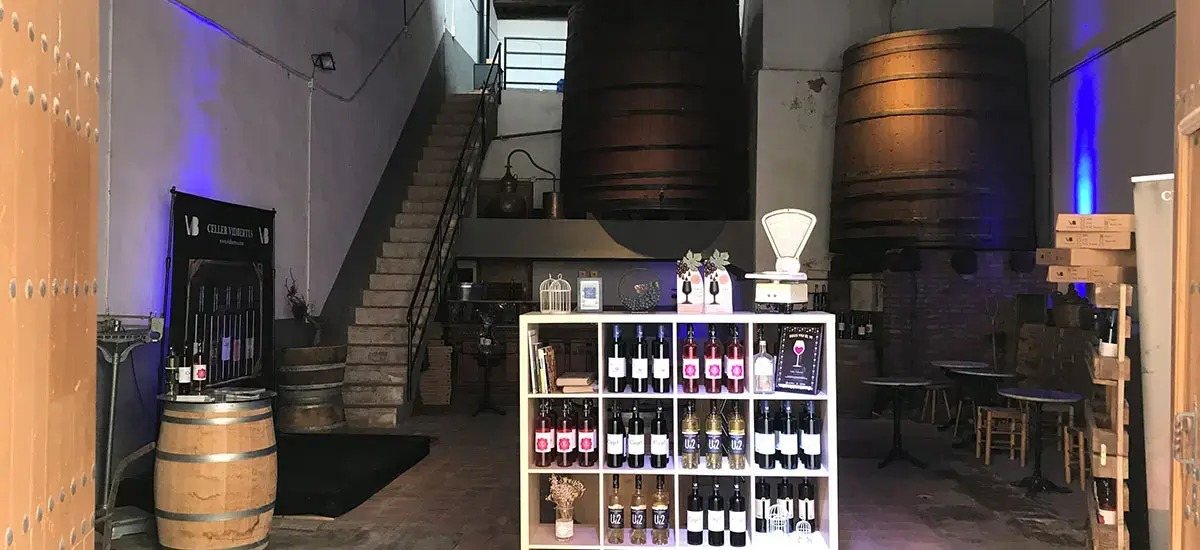
Oak, in large format. Small, heavily toasted barriques add toast, chocolate and smoke that mask the spice and can make the wine aggressive. Hence the choice of casks of at least 500 L or 2,500 L foudres: little oxygen and little oak.
Blending, in moderation. It is very sensitive to blending. In early trials, Merlot, added for colour and structure, upset the balance and added too much tannin.
“Only Garnacha, in a small proportion, makes a good partner.”
What it adds. A little red fruit, softer acidity, body on the palate and a more restrained spice, though not a hidden one.
Moderate alcohol. With 10.5–12.5% potential alcohol and little glycerol, the structure is light and the attack dry: length comes from fruit and spice, not weight.
Colour over time. Violet when young, then light red and, finally, orange. It never reaches the colour intensity of a deeply coloured red.
10.5–12.5%
usual potential alcohol
~12% vol
usual alcohol of the red
2,500 L
foudre: gentle oxygenation
1987
first 100% Trepat red, by carbonic maceration
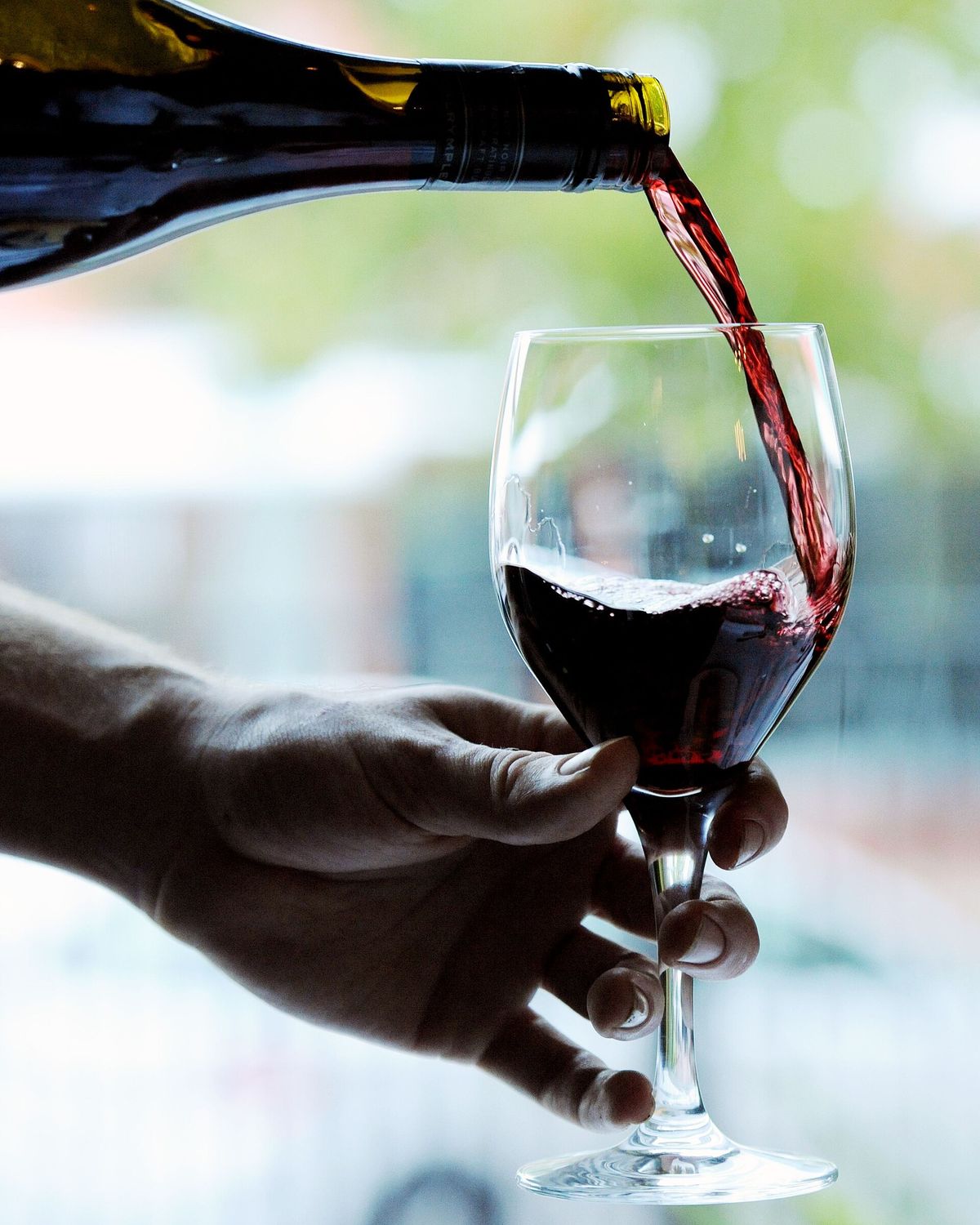
IN THE GLASS
Pale, spicy, silky
It has neither the colour nor the weight of a classic red. Instead, it has an identity you recognise at the first sip.
The red
Colour. Pale and translucent, violet when young and light red with age.
Nose. Black pepper is its signature; behind it, red fruit.
Palate. Dry attack, silky texture and a crisp, clean finish.
The rosé
Colour. Bright, vivid red, far from purple tones.
Nose. Red fruit, cherry and plum, with a spicy touch.
Palate. Fresh and light, with surprising length.
THE VINTAGE SAYS A LOT
+ spice
Cool vintages or early picking: black pepper, nutmeg, clove.
+ fruit
Warm vintages or late picking: more black fruit, such as blackberry, cherry or plum.
SERVICE, AGEING AND PAIRING
Served cool
Temperature, glassware, tasting vocabulary and dishes: what you need to serve it well and explain it at the table.
SERVING TEMPERATURE
8–10 °C
Sparkling
10–12 °C
Rosé
13–14 °C
Young red
14–15 °C
Foudre-aged red
The glass. A tulip for the sparkling. For rosé and red, a wide glass with a generous bowl, to open up the fruit and spice.
Cool, not cold. A little cooler than a classic red: the lower temperature lifts fruit and acidity.
Ageing potential. A wine to enjoy young. Its moderate structure and sensitivity to oxidation do not suit long ageing: rosé within the year; foudre-aged reds seek complexity without losing their identity.
TASTING VOCABULARY
Eye
Translucent ruby, light depth. Violet hints when young; light red, brick and orange with age.
Nose
Black pepper, nutmeg, clove. Cherry, plum, blackberry, pomegranate. Green leaf if underripe.
Palate
Dry attack, lively acidity, fine and sparse tannin, silky texture. Clean, persistent finish.
AT THE TABLE, DISH BY DISH
Rice dishes and fish stews
Rosé or young red, at 11–13 °C. Acidity cuts through the sofregit and fish stock.
Conca charcuterie
Young red, at 14–15 °C. Silky tannin that does not turn bitter with peppery cured meats.
Goat’s cheeses
Brut nature sparkling, at 8–10 °C. Fine bubbles and acidity against the creamy texture.
Grilled oily fish
Current-vintage red, at 13–14 °C. Low tannin: a red to go with sardines or tuna.
Asian and Nikkei cuisine
Rosé or sparkling rosé, at 10–12 °C, with ginger, soy or moderate heat.
Meat and poultry
Duck, rabbit and meats with red-fruit sauces: the classic match.
MARKET AND OPPORTUNITIES
A red for today’s taste
Why now. It suits consumers looking for fresh, lower-alcohol, easy-drinking reds.
Exclusivity. A native, almost exclusive variety: an origin story that cannot be copied.
Future. Productive, heat-adapted and rewarding in the winery, with an easy-to-pronounce name and room to grow in the mid-to-premium range.
STYLES
- 01RoséBright red, red fruit and a spicy touch.
- 02SparklingRosé Cava, often 100% Trepat, and ancestral method.
- 03Young redFruit, freshness and black pepper, unoaked.
- 04Crianza redMore complexity, the same identity.
WHY PUT IT ON THE LIST
- An identity no one else has · lower alcohol, more freshness
- a territory in every glass · adapted to climate change
- an easy name to say · mid-to-premium range
#weTrepat
Download PDFTREPAT · GUIDE